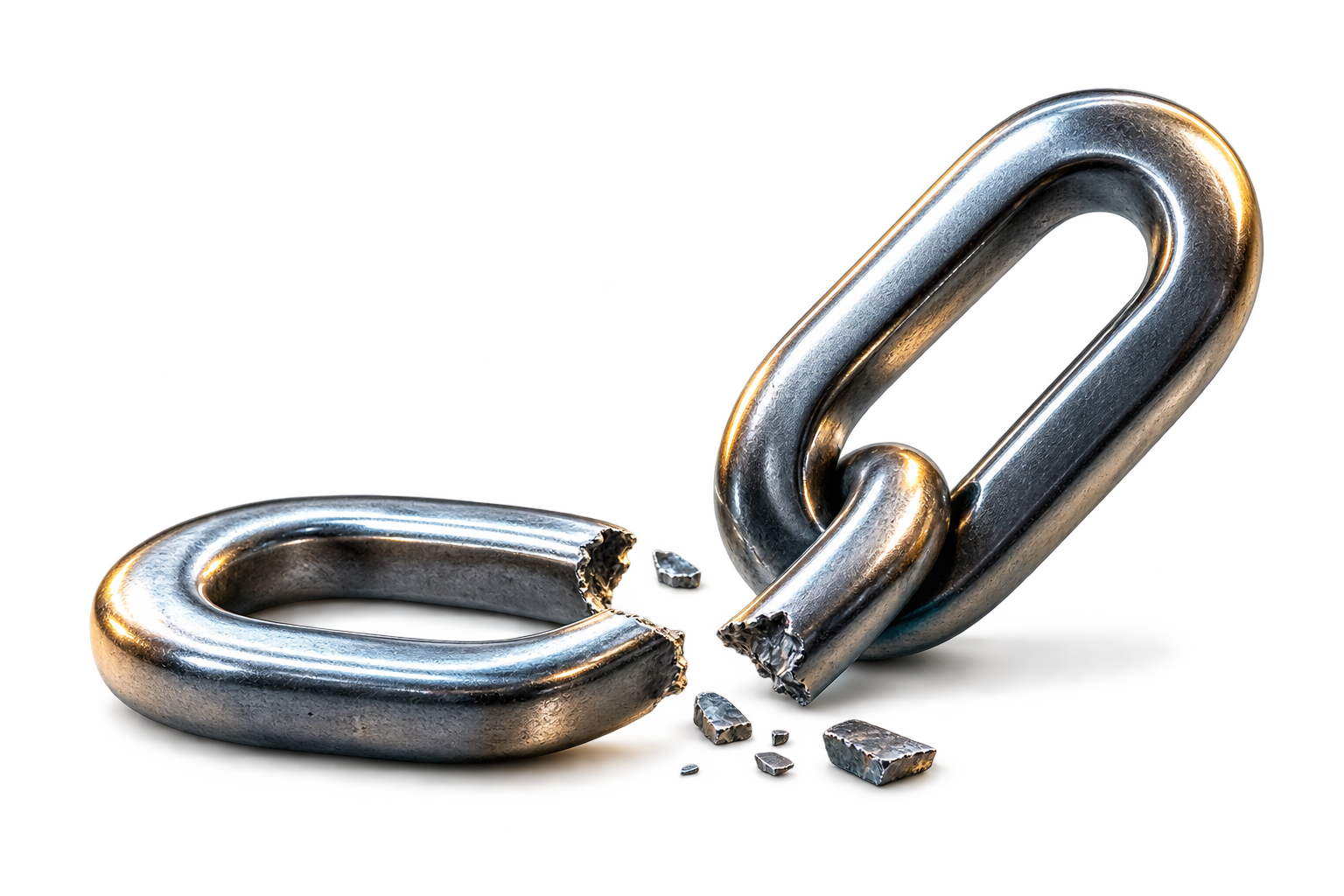
Why Willpower Isn't Enough to Quit Nicotine — and What Is
We're told quitting is about wanting it badly enough. But willpower is a limited fuel — and shame is a terrible engine. Here's a truer, more durable foundation.

Somewhere along the way, we absorbed a story about quitting: if you just want it badly enough, you'll grit your teeth and power through. So when we try that and fail — again — we draw the obvious, crushing conclusion: the problem must be me. I'm weak.
That conclusion is wrong, and it's worth dismantling, because it's quietly keeping a lot of people stuck.
Willpower is a limited fuel
Research on self-control keeps landing on the same picture: willpower behaves less like a permanent trait and more like a fuel tank that drains through the day. By evening — tired, stressed, decisions all spent — the tank is low. Which is, not coincidentally, when most people reach for the thing they swore off that morning.
So relying on willpower alone means relying on your weakest resource at your weakest moments. No wonder it fails. It was never built to carry the whole load.
Nicotine isn't a fair fight for willpower
Nicotine hijacks your brain's reward system, wiring a chemical loop that fires beneath conscious thought. Add years of repetition — the after-meal cigarette, the stress vape, the driving-home ritual — and you've got automatic patterns running on autopilot. Willpower is a conscious tool trying to override an unconscious system. It's outmatched.
This is not an excuse. It's a relief. It means your repeated "failures" were never proof of a broken character. They were proof you were using the wrong tool.
The three things that actually carry the load
If not raw willpower, then what? Three things — and none of them run out the way willpower does.
1. A renewed mind, not just a clenched jaw.
Lasting change starts deeper than behavior — at identity. Not "I'm a smoker trying to quit" but "I am becoming free." Scripture calls this the renewing of the mind, and it's the opposite of white-knuckling. It's God slowly re-carving the grooves that the habit wore in.
"Do not conform to the pattern of this world, but be transformed by the renewing of your mind."
— Romans 12:2
2. New rhythms, not just removed ones.
Willpower tries to hold an empty space open by force. Replacement fills it instead. When you swap the routine for each trigger — a walk after dinner, a breath and a prayer under stress — you're not fighting the craving; you're crowding it out. That's sustainable in a way that raw resistance never is.
3. A strength that isn't yours.
This is the whole reason this ministry is called Not By Will. The promise of the gospel isn't "try harder." It's that God's power is made perfect precisely where your strength gives out.
"Not by might, nor by power, but by my Spirit, says the Lord of hosts."
— Zechariah 4:6
"My grace is sufficient for you, for my power is made perfect in weakness."
— 2 Corinthians 12:9
So what do you do with your will?
You still have a part to play — but it's smaller and gentler than the story told you. Your job isn't to summon superhuman resolve. It's to keep showing up: to take the next small step, to run to God in the hard moment, to begin again after a slip without spiraling into shame. God provides the power; you provide the willingness.
The people who quit for good aren't the ones with the most willpower. They're the ones who stopped depending on it — and leaned on something stronger.
Not By Will is built on this idea: your part is the next small step; His part is the strength. Start a plan that works with your weakness, not against it.
Start freeFrequently asked
Why can't I quit smoking even though I want to?
Wanting to quit is conscious; the habit runs on an unconscious reward loop plus a chemical dependency. Willpower alone tries to override an automatic system and usually runs out of fuel. Changing your identity, building replacement rhythms, and drawing on God's strength addresses the deeper layers willpower can't reach.
Is quitting smoking a spiritual battle?
For many people it's both physical and spiritual. Nicotine creates a real chemical dependency, and the patterns become spiritual strongholds. That's why Not By Will pairs practical, evidence-informed steps with prayer and Scripture — addressing the whole person.

